

Jizzakh is a city in central Uzbekistan and the administrative center of the Jizzakh Region. Located at the crossroads between the steppe and the mountains, it occupies a strategic position along historic trade routes that once connected Samarkand with the Fergana Valley. This geographic location has shaped the city’s role as an important cultural and economic center for many centuries.
The name “Jizzakh” is believed to come from the Sogdian word “Dizak,” meaning “small fortress.” Historically, the area served as a fortified stop on the Great Silk Road, protecting travelers and merchants as they passed through the region. The nearby Nuratau Mountains and the foothills of the Turkestan Range give the region a diverse landscape that combines wide plains with rugged natural scenery.
Today, Jizzakh is known for its growing industries, including construction materials, textiles, food processing, and agriculture. The region is fertile, producing cotton, grain, fruits, and vegetables. Thanks to recent development programs, the city has seen modern improvements in infrastructure, education, and transportation.
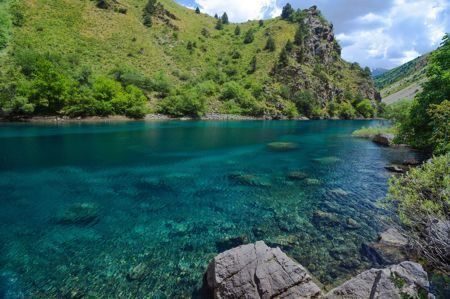
Jizzakh is also close to several natural attractions. The Zaamin National Park, located not far from the city, is one of Uzbekistan’s oldest and most beautiful protected areas. It features mountain forests, a rich variety of wildlife, and clean mountain air, making it a popular destination for eco-tourism and recreation.
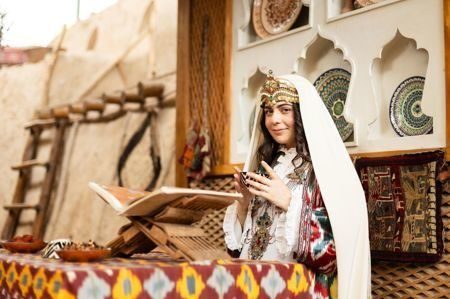
Culturally, Jizzakh is appreciated for its traditional Uzbek hospitality, peaceful atmosphere, and local cuisine. Though smaller than major cities like Tashkent or Samarkand, Jizzakh holds an important place in Uzbekistan’s history and continues to grow as a regional center of culture, agriculture, and industry.