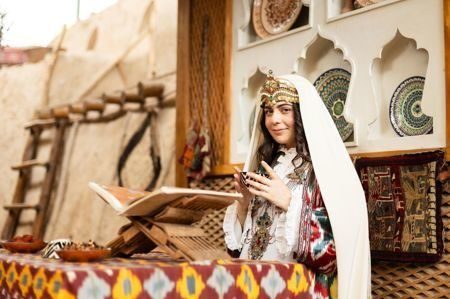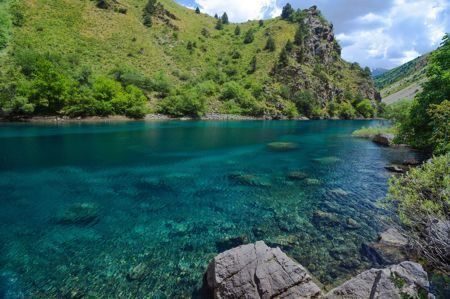


The Fergana Valley is one of the most scenic and fertile regions of Uzbekistan, surrounded by mountains and irrigated by numerous canals. Since ancient times, it has been an important part of the Great Silk Road and remains a vibrant cultural and craft center to this day.
The city of Fergana is modern and green, with wide boulevards, cozy parks, and a warm, welcoming atmosphere. It was founded in the late 19th century as New Margilan and later became the administrative heart of the valley. Today, Fergana is an excellent starting point for exploring the region — offering easy access to nearby historic towns and artisan workshops.

Just 15 minutes away lies Margilan, an ancient city renowned throughout the East as a center of natural silk production. For over 2,000 years, the secrets of silk weaving have been passed down from generation to generation. Traditional workshops are still active today, where artisans hand-weave the famous atlas and adras fabrics, dyed with natural colors. Visitors can not only witness the process but also take part in master classes, immersing themselves in the living heritage of the Silk Road.
Margilan has been mentioned in historical chronicles since the 9th century, and its story is closely tied to trade, craftsmanship, and cultural exchange. In addition to silk workshops, the city invites travelers to explore its ancient bazaars, mosques, and madrasahs — all preserving the spirit of the East and the traditional way of life.
The Fergana Valley is a perfect destination for those seeking authentic experiences, a chance to connect with local culture, and to learn more about traditional crafts and the history of Uzbekistan. Whether you’re drawn to history, nature, cuisine, or artisan traditions, this region has something special for everyone.
Rishtan — A City of Ceramics and Ancient Traditions of Uzbekistan
Rishtan is one of the most well-known cities in the Fergana Valley, located in the Fergana Region of Uzbekistan. It is situated not far from the city of Fergana and is considered one of the oldest craft centers in the region.
Rishtan is world-famous as a center of artistic ceramics. For many centuries, unique glazed pottery made from red clay has been produced here. The local clay has a special composition and is considered one of the finest materials for ceramic production in Central Asia. The main feature of Rishtan ceramics is its bright blue and turquoise glaze, which has become its hallmark. Craftsmen pass down their knowledge from generation to generation, preserving ancient handcraft traditions. Each item is not just tableware, but a true work of art.
One of the reasons for Rishtan’s fame is its centuries-old craft history. Archaeological findings show that ceramics were produced here as early as the Middle Ages, and possibly even earlier. The city was long an important center of trade and craftsmanship along the Great Silk Road.
In addition to craftsmanship, Rishtan is also known for its cuisine. One of the popular dishes is Rishtan pilaf. It is distinguished by a special cooking method and a rich, flavorful taste. Unlike other types of pilaf, it often uses local spices, well-fried meat, and a special rice-cooking technique, which makes the dish very aromatic and filling. Rishtan pilaf is often prepared for holidays, weddings, and family celebrations, and it holds an important place in the culinary traditions of the region.
Today, Rishtan remains a living center of ceramic art. Dozens of workshops operate here, where tourists come to watch the pottery-making process and purchase handmade items. The city is also actively developing cultural tourism. Rishtan is a place where history, culture, and art come together in one space, preserving the unique heritage of Uzbekistan.