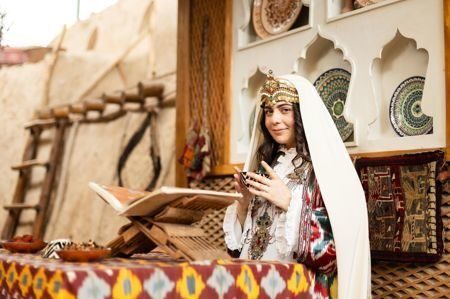


Historically, Namangan developed as a center of trade and craftsmanship. Its artisans became famous for embroidery, ceramics, jewelry, and traditional clothing—skills that are still proudly practiced today. Walking through the city, visitors encounter colorful markets, bustling bazaars, and workshops where masters continue to create intricate handicrafts.
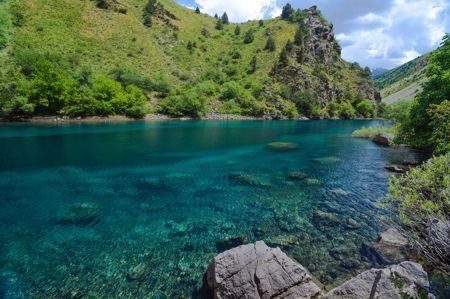
Namangan is also known for its natural beauty. The city is surrounded by mountains, rivers, and green landscapes, which create a peaceful and refreshing atmosphere. Local parks and gardens are especially famous—most notably Bog‘i Mardon and Afsonalar vodiysi (The Valley of Legends), where families gather to relax and socialize. In spring, the entire region blooms with flowers, giving Namangan its reputation as one of the most picturesque cities in Uzbekistan.
Culturally, Namangan is a place where traditions remain strong. Folk music, dance, cuisine, and national festivals are celebrated with enthusiasm. The city’s mosques and historical buildings, including the ancient Ming Urik settlement and the Mullo Kyrgyz Madrasah, highlight its long spiritual and educational heritage.
In recent years, Namangan has been developing rapidly. New infrastructure, universities, parks, and modern neighborhoods have transformed the city while preserving its warm, traditional character. It remains a city where history and progress live side by side—a place that offers both the charm of old Uzbekistan and the energy of new development.
Chodak — A Picturesque Mountain Settlement of Uzbekistan
Chodak is a beautiful mountain village located in the Namangan Region of Uzbekistan. It is situated in the northern part of the Fergana Valley, on the banks of the Chadaksay River. The village is known for its pristine nature, cool climate, orchards, and breathtaking mountain scenery.
The greatest treasure of Chodak is its nature. The village is famous for its gardens, mountain trails, and hospitable people. In spring and summer, the area becomes especially beautiful: the mountains turn green, trees blossom, and the rivers are filled with crystal-clear water. In recent years, tourism has been developing rapidly here, with guesthouses, recreation areas, and campsites being built.
One of the most famous attractions is the sacred place called Chir Chir Momo. It is a natural spring where water slowly flows down the rocks all year round, resembling tears. Local residents call this place “Mother’s Tears.” The spring water is believed to have healing properties, which is why pilgrims and tourists from all over Uzbekistan visit this site.
Today, Chodak is a place where beautiful nature, history, sacred sites, and modern tourism come together. Many tourists come here to relax in the mountains, walk near waterfalls, and discover the culture of the Namangan Region.
Particular interest is drawn to the ancient dolmens located in the mountains near Chodak. Dolmens are large stone structures made of huge stone slabs. Scientists believe they were built many centuries ago and may have been used as burial sites or ancient sanctuaries. The dolmens of Chodak are considered one of the mysteries of the region. Their exact origin remains unknown to this day. Some researchers believe that they date back to the Bronze Age.